Why bathroom mold keeps returning after you clean it
Mold in a bathroom is frustrating enough when it first appears. But when you scrub it away, bleach the grout, and wipe the ceiling, only to see it creep back within days or weeks, the frustration turns into something else. You start to wonder if anything really works. The short answer is that mold returns because you are only treating the symptom, not the cause. Cleaning removes visible mold, but it does not fix the moisture, airflow, or material conditions that allow mold to grow in the first place. Until those underlying issues are addressed, the mold will keep coming back.
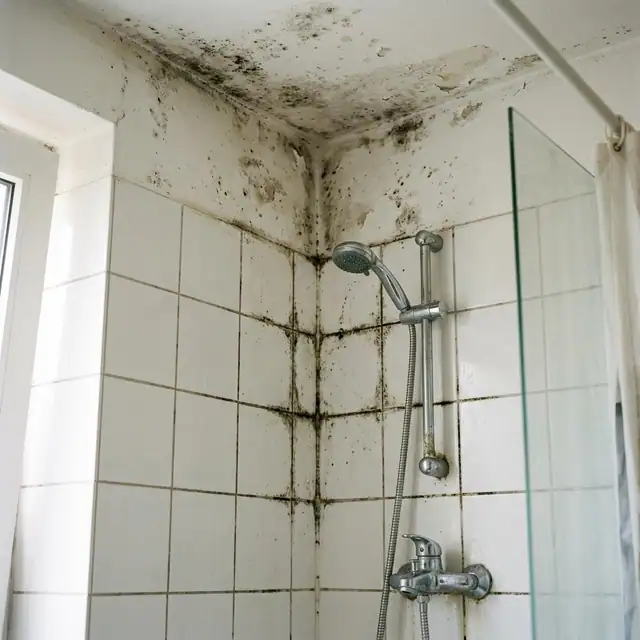
Bathrooms are the most mold-prone room in a home for good reasons. They get hot and steamy, often several times a day. Surfaces stay damp for hours. Grout and caulk develop microscopic cracks that hold water. Tiles hide moisture behind them. And many bathrooms have poor ventilation, especially in older homes without a window or a properly sized exhaust fan. When you clean mold off a surface, you remove the spores and the visible discoloration, but the moisture that caused the growth is still there. The room is still humid. The grout is still porous. The caulk may still be holding water behind it. Within a short time, any lingering spores or new spores from outside land on that damp surface and start colonizing again. That is why the mold comes back.
The real reasons mold returns
Understanding why mold returns means looking past the surface. Here are the most common hidden factors that keep bathroom mold alive.
Surface cleaning does not reach the roots
Mold grows hyphae, tiny root-like structures that penetrate porous surfaces such as grout, drywall, and wood. Scrubbing with a cleaner or bleach removes the surface layer, but the hyphae remain embedded in the material. As long as the material stays damp, the hyphae can regenerate new surface growth. The only way to stop this is to either dry the material completely and keep it dry, or remove and replace the affected material. Bleach is especially problematic on porous surfaces because it is mostly water, so it adds moisture to the very material you are trying to dry out. The surface may look clean, but the deeper structure is still wet and still hosting mold.
Moisture is hiding in walls and behind fixtures
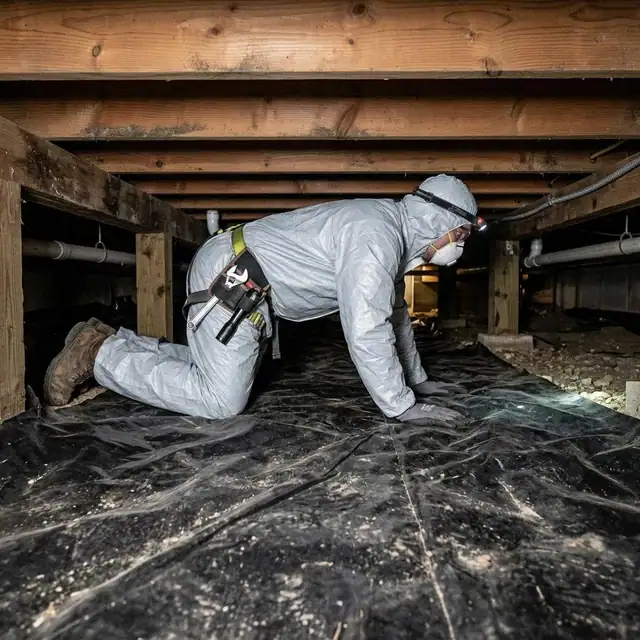
A bathroom can look dry on the surface while moisture is trapped inside wall cavities, behind tiles, or under the tub. Leaky pipes, loose shower pan seals, and cracked grout let water seep into places that never fully dry. That hidden moisture feeds mold growth from the inside out. You can clean the visible mold on the tile, but the mold growing behind the tile or inside the wall will keep spreading and eventually reappear. This is one reason why persistent bathroom mold often requires professional assessment and remediation. A service such as Mold Removal Boston Pros bathroom mold remediation focuses on identifying and addressing these hidden moisture sources, not just cleaning what you can see.
Ventilation is inadequate for the actual moisture load
Even a good exhaust fan may not move enough air if it is undersized, poorly ducted, or not run long enough. Standard bathroom fans are rated by cubic feet per minute (cfm). For a typical bathroom, the fan should be capable of exchanging the air at least eight times per hour. Many older fans move far less air than that. And most people turn the fan off when they leave the room, but moisture from a hot shower can linger on surfaces for an hour or more. Without continuous air movement, condensation stays on tiles, mirrors, and fixtures, giving mold a steady supply of water.
Damaged or degraded materials hold moisture
Grout that has cracked or become pitted holds water in its pores. Caulk that has pulled away from the tub or sink leaves gaps where water collects. Paint that is peeling or non-waterproof allows moisture to soak into drywall. Once these materials are damaged, they absorb water like a sponge and release it slowly. Cleaning the surface does not fix the damaged material. The only lasting solution is to replace the compromised grout, caulk, or drywall, and then address the ventilation and moisture control so the new materials stay dry.
What actually works for bathroom mold remediation
Effective bathroom mold remediation is a process that goes beyond cleaning. It involves three core steps: identifying and fixing moisture sources, removing mold-damaged materials, and improving ventilation and humidity control.
Find and fix the moisture source
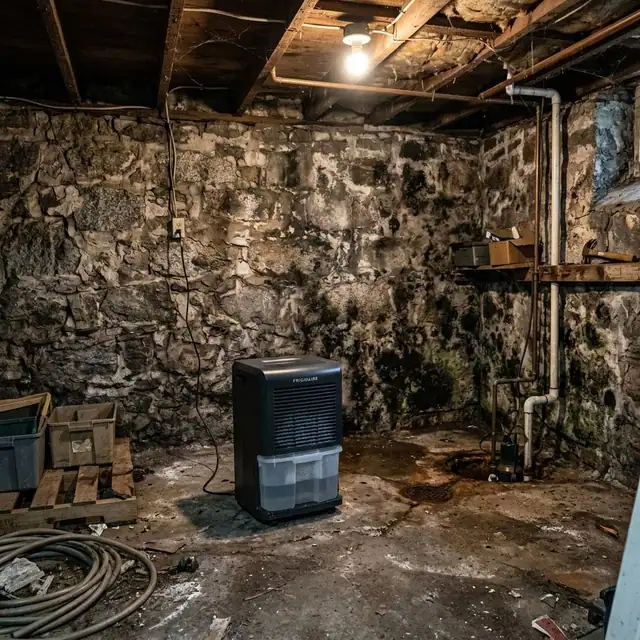
Look for the obvious signs first. Leaky faucets, showerheads, and toilet supply lines. Dripping around the base of the toilet. Water stains on the ceiling below a second-floor bathroom. Soft or spongy grout. Caulk that is loose or missing. Any of these can be the entry point for water that keeps mold alive. Sometimes the source is not visible without opening a wall or removing tiles. In those cases, a professional inspection may be necessary. Mold Removal Boston Pros bathroom mold remediation services include moisture mapping and material inspection to locate problems that routine cleaning cannot reach.
Remove and replace mold-damaged materials
If grout, caulk, drywall, or wood has been colonized by mold, cleaning alone will not make it safe. The material must be removed and replaced. This is especially true for porous materials that cannot be dried out completely. Re-grouting a tile wall or re-caulking around the tub is a straightforward job that makes a huge difference. For drywall, cut out the affected section and install new moisture-resistant drywall. For wood framing that shows heavy mold growth, sanding or replacing may be required. After removal, the area should be dried thoroughly before new materials go in.
Improve ventilation and reduce humidity
Even after mold is removed and materials are replaced, the bathroom will still generate moisture. The key is to move that moisture out before it condenses on surfaces. Upgrade the exhaust fan if it is old or undersized. Make sure the fan vents to the outside, not into an attic or crawlspace. Run the fan during the shower and for at least 30 minutes afterward. Open a window when weather permits. Use a squeegee on shower walls and doors after each use to remove standing water. A dehumidifier placed in the bathroom or nearby hallway can also help keep humidity below 50 percent, which is the threshold that most molds need to grow.
When to call a professional
Some bathroom mold problems are manageable with DIY effort. If the mold is limited to the surface of grout or caulk and the moisture source is a simple leak you can fix, you may be able to handle it yourself. But mold that keeps returning despite your best cleaning efforts, or mold that covers a large area, or mold that is growing inside walls or behind tiles, is a sign that the problem is deeper than surface cleaning can solve. In those situations, professional bathroom mold remediation is the safest and most effective option. A qualified service will identify hidden moisture, remove mold-damaged materials, and help you set up the ventilation and humidity controls needed to keep the room mold-free.
Preventing recurrence after remediation
Once the bathroom has been properly remediated, keeping mold away depends on daily habits and a few simple maintenance tasks. Wipe down wet surfaces after each shower. Squeegee the glass and tiles. Hang towels so they dry quickly. Leave the bathroom door open when it is not in use to allow air circulation. Check caulk and grout once a year for cracks or gaps, and reseal as needed. If you notice a musty smell or a small spot of mold, address it immediately before it has time to spread. The goal is to keep the bathroom dry enough that mold spores cannot get a foothold. That is the only way to break the cycle of clean-and-return.
Ends · HOMEMOISTUREGUIDE